


Zhejiang Eksen Medical Technology Co., Ltd.: Your Professional Direct Bond Tubes Manufacturer!
Despite being a young company, we have rapidly established ourselves as a trusted name in both orthodontics and endodontics. Our dedication to excellence and continuous improvement has earned us a growing client base worldwide. The company's main products include orthodontic brackets, orthodontic buccal tubes, orthodontic wires, orthodontic elastomerics, direct bond tubes, etc.
-
![Unique E Single No-Covertible Tubes]() Unique E Single No-Covertible TubesUltra-thin low profile buccal tubes, improve patient's comfort.Funneled design to facilitate effortless wire insertion, and precise occlusal/gingival positioning guides to make posterior bondingread more
Unique E Single No-Covertible TubesUltra-thin low profile buccal tubes, improve patient's comfort.Funneled design to facilitate effortless wire insertion, and precise occlusal/gingival positioning guides to make posterior bondingread more -
![Unique K Single No-Covertible Tubes]() Unique K Single No-Covertible TubesBuccal tubes with clear identification.Funneled design to facilitate effortless wire insertion, and precise occlusal/gingival positioning guides to make posterior bonding easier.read more
Unique K Single No-Covertible TubesBuccal tubes with clear identification.Funneled design to facilitate effortless wire insertion, and precise occlusal/gingival positioning guides to make posterior bonding easier.read more -
![Single Non-Convertible Tubes]() Single Non-Convertible TubesRounded buccal tubes for doctor's comfort.Precise occlusal/gingival positioning guides to make posterior bonding easier.read more
Single Non-Convertible TubesRounded buccal tubes for doctor's comfort.Precise occlusal/gingival positioning guides to make posterior bonding easier.read more -
![Single Convertible Tubes]() Single Convertible TubesEksen's Single Convertible Buccal Tubes offer versatility in orthodontic treatment by allowing for easy wire changes and adjustments.read more
Single Convertible TubesEksen's Single Convertible Buccal Tubes offer versatility in orthodontic treatment by allowing for easy wire changes and adjustments.read more -
![Combination Convertible Tubes]() Combination Convertible TubesCombination Convertible Buccal Tubes by Eksen are designed for advanced orthodontic procedures, providing a combination of features for flexible wire management.read more
Combination Convertible TubesCombination Convertible Buccal Tubes by Eksen are designed for advanced orthodontic procedures, providing a combination of features for flexible wire management.read more -
![Double Combination No-Convertible Tubes]() Double Combination No-Convertible Tubes1 Round 1 Rectangular No-Convertible Buccal Tubes by Eksen are designed for advanced orthodontic procedures, providing a combination of features for flexible wire management.read more
Double Combination No-Convertible Tubes1 Round 1 Rectangular No-Convertible Buccal Tubes by Eksen are designed for advanced orthodontic procedures, providing a combination of features for flexible wire management.read more -
![Double Rectangular Convertible Tubes]() Double Rectangular Convertible TubesEksen’s Double Rectangular Convertible Buccal Tubes provide precise and reliable adjustments for complex orthodontic cases.read more
Double Rectangular Convertible TubesEksen’s Double Rectangular Convertible Buccal Tubes provide precise and reliable adjustments for complex orthodontic cases.read more -
![Triple Convertible Tubes]() Triple Convertible TubesTriple Convertible Buccal Tubes by Eksen are designed for comprehensive orthodontic treatment, offering three conversion options for increased flexibility and treatment customization.read more
Triple Convertible TubesTriple Convertible Buccal Tubes by Eksen are designed for comprehensive orthodontic treatment, offering three conversion options for increased flexibility and treatment customization.read more -
![Self-Ligating Molar Tubes]() Self-Ligating Molar TubesEksen’s Self-Ligating Molar Tubes are designed to provide efficient, low-friction treatment with easy archwire insertion and secure placement.read more
Self-Ligating Molar TubesEksen’s Self-Ligating Molar Tubes are designed to provide efficient, low-friction treatment with easy archwire insertion and secure placement.read more


Why choose us?
Rich experience
At Zhejiang Eksen Medical Technology Co., Ltd., we are driven by a team of seasoned professionals with over 15 years of experience in the orthodontic industry.
Quality control
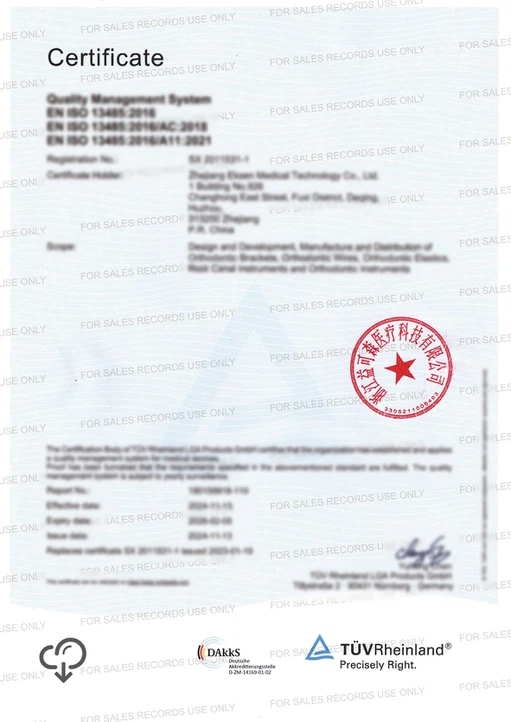
With ISO 13485 certification, we ensure that every product is manufactured to meet rigorous quality control requirements at every stage of the production process.
High quality
Our factory combines cutting-edge technology with skilled craftsmanship to produce high-quality orthodontic and endodontic products that adhere to international standards of excellence.
Professional team
With a good reputation, solid technology, thoughtful and meticulous service, and a new learning team, we will definitely provide you with the most professional technical support and services.
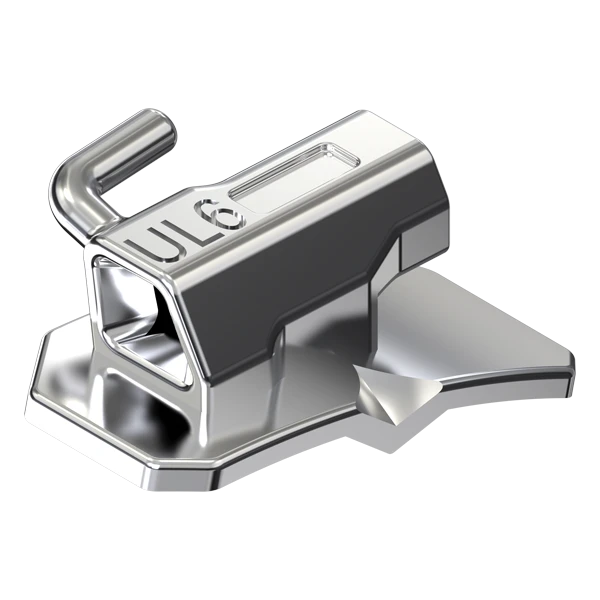
Decalcification is no longer a potential problem. Realistically, this has to be one of the greatest benefits of bonding. Any approach to orthodontic therapy that helps preserve the integrity of tooth substance should be of utmost importance to practicing orthodontists.
Bonding eliminates the need for constructing as many metal bands. Fitting and cementing metal bands may create some pain and discomfort. This may not be excessive, but there are children with lower thresholds of pain who complain readily as bands are being fitted. If the metal is not festooned precisely, there may be some gingival impingement with resultant hypertrophied tissues. Bonding avoids these complications.
Elimination of spaces following appliance removal. This advantage is self-evident. The teeth can be moved into positions that will require less settling. In addition, the orthodontist is not as apt to leave extraction sites open.
Separating wires are unnecessary. This is not a major item, but not having to place either brass wires or springs is an advantage.
Control over partially erupted and impacted teeth can be attained more readily. The clinician is not required to wait until a tooth erupts sufficiently so a band can be cemented. Cleats, buttons or brackets can be bonded onto the exposed surfaces of a partially erupted tooth. This will permit the application of directive forces to reposition the tooth in an early and efficient manner. Such procedures are of great help.
Product Specifications
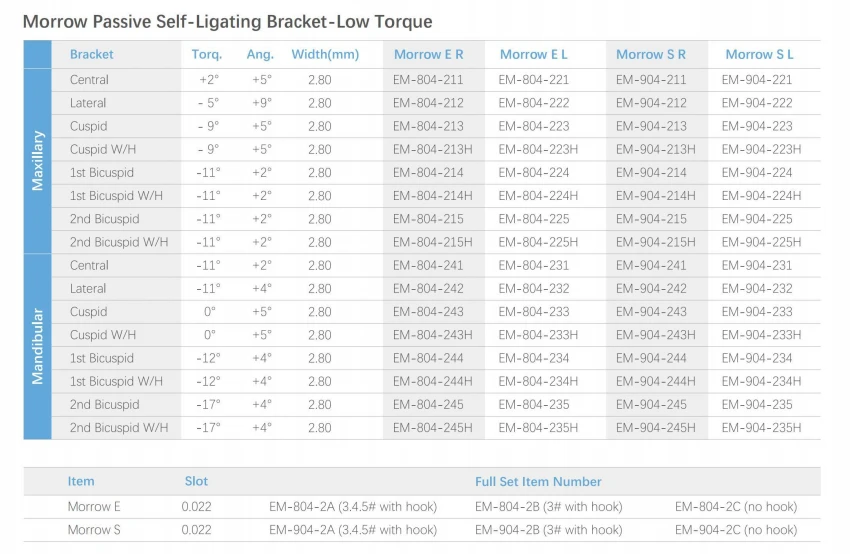
When selecting dental consumables, several factors must be considered to ensure they meet clinical needs effectively. The first consideration is the specific application for which the direct dental bonding will be used. Different dental procedures require specific consumables, and understanding the unique characteristics of each product is crucial. For instance, restorative procedures may demand consumables with high compressive strength and wear resistance, while preventive care might focus on materials that offer fluoride release. Evaluating the composition and intended use of direct dental bonding can guide dental professionals in making informed choices that enhance treatment outcomes.
Another important factor is the compatibility of direct dental bonding with existing dental materials and equipment. It's essential to ensure that the chosen consumables are compatible with the adhesives, cements, and other materials used in dental procedures. This compatibility impacts the ease of use and effectiveness of the treatment. Additionally, the integration of consumables with dental equipment, such as impression trays or curing lights, should be seamless to facilitate smooth operations. Dental professionals should consult product specifications and manufacturer recommendations to verify compatibility, minimizing potential issues during procedures.
The cost-effectiveness of direct dental bonding is also a significant consideration. While the quality and performance of dental consumables are paramount, their cost can impact the overall budget for dental practices. It's important to balance the price with the benefits offered by the consumables, considering factors such as durability, ease of handling, and patient satisfaction. Bulk purchasing may provide cost advantages, but it's crucial to assess the shelf life and storage requirements to avoid wastage. Strategic purchasing decisions can optimize resource allocation and enhance the financial sustainability of dental practices.

Ordering Process
Set a strategy
Determine quantity, style and delivery time.
Sign contract
Provide efficient, high-quality services.
Production
Strict control and quality control at all levels.
Delivery
Delivery to customers according to contract time.
Packaging and Shipping

Certifications


FAQ
As one of the leading direct bond tubes manufacturers and suppliers in China, we warmly welcome you to wholesale bulk direct bond tubes in stock here from our factory. All customized products are with high quality and competitive price.
Bicuspid Direct Bond Tubes, buccle tube ortho, buccal tube orthodontic convertible